
Diabetes distress is real. So is support for it.
Emotional support for people living with type 1 or type 2 diabetes. 10 minutes a week, developed with King’s College London.
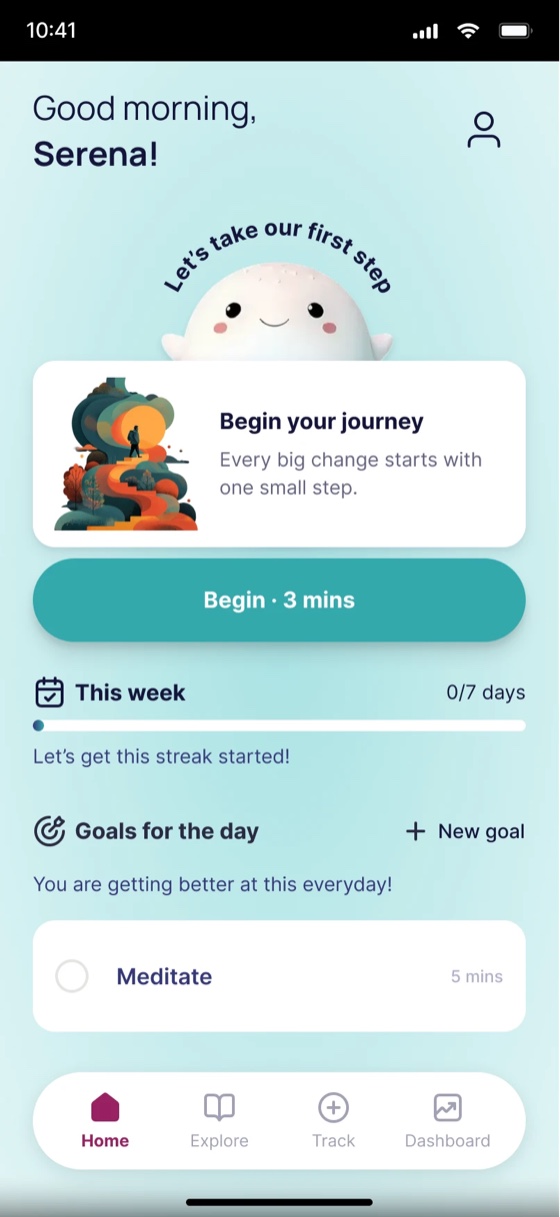

Diabetes is more than numbers
Thinking about it every meal, every day, with no break
Feeling frustrated or guilty when your readings don’t go to plan
Worrying about what the future might hold
Feeling judged about what you eat
Running out of energy to keep going with it all
If any of this sounds familiar, you’re not alone, and it’s not a personal failing.
Support for the parts of diabetes that wear you down
Worry less about the future
Tools to handle uncertainty when “what if” thoughts take over.
Find a routine that lasts
Pace the daily demands of diabetes without running yourself down.
Talk about what you need
Find ways to explain diabetes to family, friends and colleagues, and get the support you need.
Be kinder to yourself
Step back from the guilt when readings or days don’t go to plan.
10 minutes a week. 12 weeks.

Download Orbi and sign up in under a minute

Tell us what feels hardest, and Orbi shapes your path around it

One short topic a week, with audio sessions you can do anywhere
From people living with long-term conditions
“The Orbi app is a game changer. We’ve never had anything like this at all. I was using it every day, and I loved the meditations and the stories because I could actually relate to them and try the strategies myself — and they worked.”

Orbi was developed with psychologists at King’s College London, based on research about the emotional burden and distress related to diabetes.
£1.99 for 12 months. No subscription. No auto-renew.
Get OrbiQuestions people ask
Diabetes distress is the worry, frustration and exhaustion that can come from managing diabetes every day. It’s a common response to the constant demands of the condition, not a sign that you’re doing something wrong.
Diabetes distress is the emotional strain of living with diabetes. Diabetes burnout is often used to describe what can happen when that strain builds up over time, and you feel so worn out that keeping up with diabetes tasks becomes very hard. Orbi can help you manage the emotional side before it gets to that point. If you’re finding it hard to keep up with your treatment, speak to your diabetes team.
No. Diabetes distress is linked to the demands of living with diabetes. Depression is a broader condition. They can overlap. If you’ve felt low or lost interest in things for more than two weeks, speak to your GP.
No. Orbi supports the emotional side of living with diabetes. Keep working with your diabetes team on your treatment and care.
Both. Orbi focuses on the emotional challenges of living with a long-term condition, which many people with type 1 and type 2 share.
No. Orbi doesn’t tell you what to eat. It helps with how living with diabetes makes you feel.
Orbi is built for people living with a range of long-term conditions, including diabetes.
£1.99 for 12 months of access. It doesn’t auto-renew.